How did you feel about winning the inaugural ITS Women of the Year Award last year?
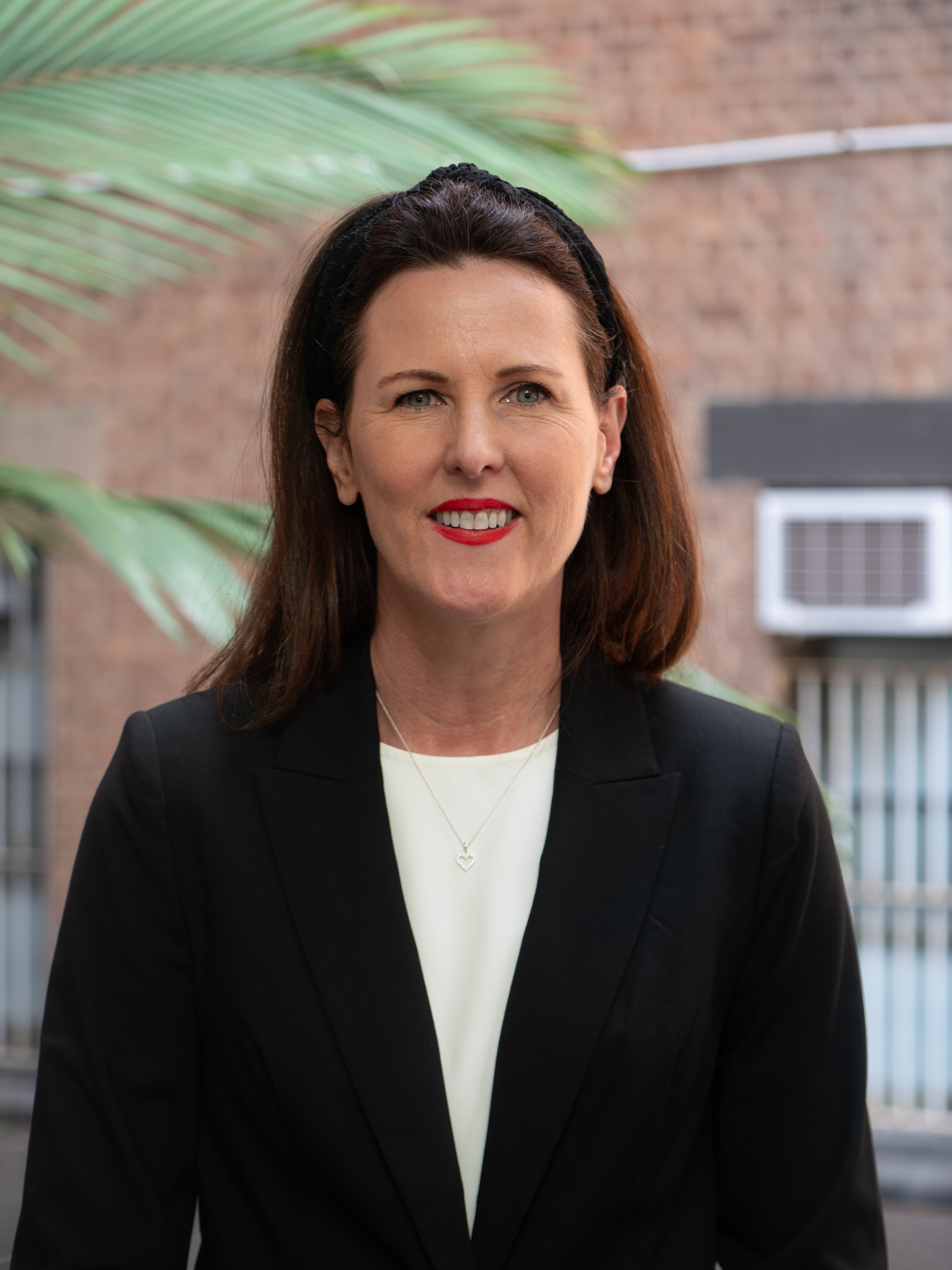
It was quite a surprise, I didn't realise I was nominated for a start. So I received a phone call saying, well, congratulations. It was really, really a lovely and humbling surprise. My team had thought, Miranda has done such a great job and made the effort to submit it. I know it's a personal recognition, but to me it was really an acknowledgement of my team and us as a group because collectively we delivered the Connected and Automated Vehicle Initiative. It was almost seven years that team was together and we were very close.
It was also nice that ITS Australia made the effort to pull such an award together to recognise senior women specialising in a combination of technology and transport. There is also a lifetime achievement award – but for most women in the industry, that’s probably another 15-20 years away.
Can you talk about the team and that project you were working on for those seven years, you just mentioned?
It started in 2015 with a small team, and grew to about 50. It was a very large project looking at connected and automated vehicles, with two main pilot projects.
The first project involved connected vehicles, where vehicles talk to each other, connected infrastructure, and the cloud. Around 350 participants used the technology over a year in the Ipswich area (regional QLD), an area around 350 square kilometres - the largest of its kind in Australia.
The second project involved a cooperative and highly automated vehicle – looking at how it interacts with the driver, other road uses, infrastructure and digital infrastructure. We sent an engineer over to France to work with Renault, who built the vehicle, which we brought back for Queensland University of Technology ongoing research.
What are some of the things you feel contributed to such a great team environment?
I always say that when you have a project that is, in itself, a really interesting and groundbreaking topic, groundbreaking people will seek out the work. It was also pre-COVID which meant that we had the luxury of co-locating, being physically together for several years before we had to change to a mix of at home and in-office work. Working together was very beneficial, we shared problems and we shared solutions. The team is still very close, we even had a Christmas party together again this year, just gone. We won many awards which kept the team motivated, including Lexus Australia, who won the ITS Congress International Award for their work with us.
You've held a number of Director-level positions. Is that something you have aspired to as you’ve progressed in your career?
It wasn't so much about the level, as it was about the type of work. I have a civil engineering degree and a PhD in civil engineering with a focus on traffic engineering and I’ve managed to stay pretty pure to that type of work. I lived and worked in the United States for almost 10 years because of those credentials. I worked all over the United States, largely doing probably about 50-50 consulting and research. The research is what I really enjoy because I like the ambiguity and working through new problems.
I currently work under the Chief Engineer (at Transport and Main Roads, QLD) and we provide advice and guidance to projects across the department. I have always been in engineering and technology areas. I'm about to move again over to the Director for Technology - Transport Operational Systems which will also be a fairly busy role.
It sounds like having variation and different challenges is important to you?
Yes, it is and I think you can leverage that easily when you're in this type of industry.
What has been your observation of women working in the Transport industry over time?
Well, I've been in the transport space for 30 years, so I've seen a lot of things. One of the things I note, is that a lot of women struggle as they're moving into their family lives while trying to balance their work responsibilities. The number of times I've seen women say, I don't want to apply for a more senior role because I don't feel like I could give it the energy it warrants. I find that fascinating because I've always found women to be highly effective communicators. Even though they're not necessarily full time, they still communicate very well. You're never at a loss of what's going on, where they're at, what help they need, or what they need from others. These things make them extremely effective leaders. I'm always trying to encourage people to look past that limitation. That communication edge is something that women should not underestimate.
There's another issue which is, of course, being in a very male-dominated industry. It's very masculine – trucks and roads, so how does a women make an impression or contribute meaningfully? I've been really impressed by the number of women who ignore that. Recently, I was sitting across the table from a woman at an oversize overmass (heavy vehicle) industry meeting. She owned the room. She would have been barely 30 and there was nothing she did not know. Everybody turned to her and it was wonderful to watch. More and more women are ignoring those old, restrictive attitudes and again, her strength was her effective communication.
The double hurdle can be, underestimating yourself and then being underestimated by others. So, I always think you really should find yourself a good mentor. It will help you talk through concerns around; Do you think this is real or do you think this is a perception? Is this something I need to work on? Is this a growth opportunity for me? Or is it just that I feel like there's a barrier here and maybe it isn't here?
Do you think that there are any obvious opportunities to support more women?
When we do our university intake, in my department currently (TMR), it is often limited by the number of women graduating in relevant technical fields. There is research out there that insinuates that you need to intervene much, much earlier. We're talking about pre-ten years old to address and change those old gender role assumptions. This actually needs to be managed much earlier than the time that young women are making their university choice.
What do you think has made you successful in your career?
I would describe myself as a little fearless and forceful. If I’m in a meeting and I have something I feel strongly about, I’m quite direct. I’m going to be very clear and direct about that, about that feeling. I'm not going to sit back and wait to be asked. I'm not generally the wallflower of a meeting.
I'm also not afraid of change. I like to change myself before someone else changes me. If you can be on the front foot and change, you get to choose how you want your career to go to. Your goals and your career get shaped by you and not by others in an ideal case.
Any other lessons learnt you would like to share?
It’s rare that anything worth doing is easy or comfortable, in your career. So if you are finding it too easy, maybe it's time for a change.
Also, if you're in a team where you feel lost and potentially unheard, then maybe you've got to ask yourself, is that your team? Are they your people? Because if people respect you, what you do and who you are, then they will have room for you. They value your voice and your growth. If you're not getting that, as they say, move your cheese. Activate your own change.
Finally, it's not what you know, it's who you know. That’s the reality of many of our interactions and I was reflecting on this at my talk at the ITS Australia conference last year. I've never been successful in a competitive job interview - I have always gotten jobs via people I knew. Sometimes I have applied for a temporary role and then people have gotten to know me and then I was able to move into another role. But if I went in cold and competitively applied for a job, it’s never happened.
Building relationships is important. Even if it’s telling people - I’m really interested in the type of work you’re doing, let me know if there’s a temporary opening in your area/organisation. Build that relationship and therefore your brand with them. At a time when it’s risky for folks to hire you in the current employment market who you know is important. You can't just rest on your technical experience.