Tanya Smith
Executive General Manager - People, Safety and Communications | Transit Systems, a Kelsian Group Company



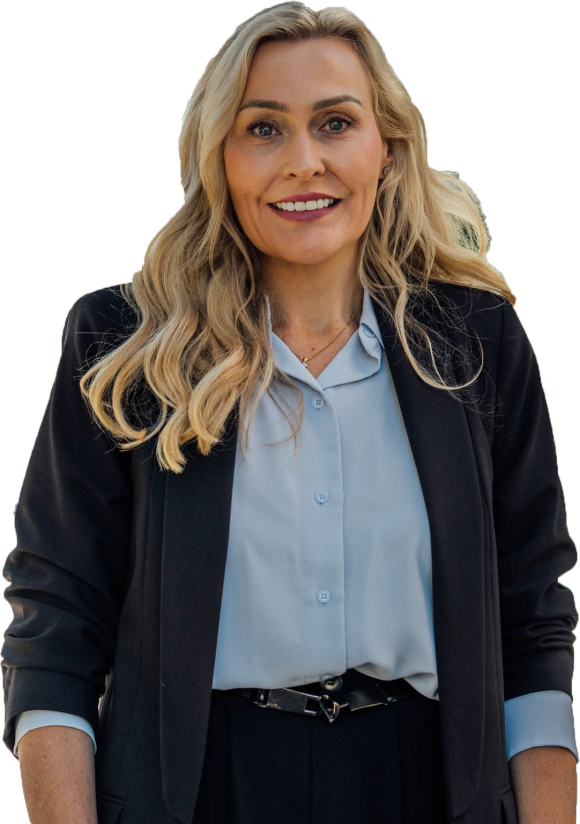
Good communication is critical. You have to talk about things like AI at the right level so they become inclusive- especially in our industry where English is a second language for many of our employees.
Current positions
- Executive General Manager - People, Safety and Communications | Transit System
Previous positions
- People, Training and Safety Manager - Batchfire Resources
- Director, Human Resources Major Roads Project, Victoria
- Manager Talent, Diversity and Inclusion - Downer Group
- General Manager - People and Culture, Transport Infrastructure Projects and Rolling Stock - Downer
- HR Operations Manager – Eastcoast, PNG and New Zealand – Decmil Australia
- HR Business Partner Qld/NT – Emeco International
- Health Safety Environment Community (HSEC) Manager – Rio Tinto
- HR Specialist – SeaSwift Pty Ltd
- Employment Relations Consultant – Chamber of Commerce and Industry QLD (CCIQ)
Tanya Smith is an experienced executive leader in People & Culture (P&C), Safety, and Diversity & Inclusion (D&I), with a track record across Australia’s most complex and high-risk industries, including engineering, mining, transport and crocodile farming.
As Executive General Manager, People, Safety and Communications at Transit Systems, she helped establish the award-winning Transit Academy transforming the organisation’s response to driver shortages into an industry-leading workforce initiative. By combining paid training with hands-on mentoring, the Academy is creating long-term career pathways and strengthening the future of Australia’s transport workforce.

My career in transport began as a student when I was working at Woolworths warehouse, in the organisation’s transport and logistics division. While there, I attained my crane and forklift licences and an operational perspective which has stayed with me throughout my career.
I often get told I’m not a normal human resources manager and I think that’s because of this operations background. When creating processes or policies, I really focus on the outcome that’s needed and am inclusive about getting input from operations to ensure that what we deliver is going to work for the business.
During my time at Woolworths, I moved from warehousing into a relief transport management role, store management and eventually into human resources.
I then made the big move to a chamber of commerce and industry in Far North Queensland where I worked with a dynamic female leader who gave me exceptional exposure to the industrial relations side of P&C.
We worked with an extraordinary range of organisations — from crocodile farms to Aboriginal and Torres Strait Islander health services — gaining rich, hands-on experience across diverse industries, communities and cultures.
I started getting more engineering roles and later went to work for a marine engineering business, Sea Swift. I lived on Horn Island in the Torres Strait for eight months helping to upskill the organisation’s First Nations workforce with the qualifications they needed to become masters and skippers.
From there I joined the P&C team at Rio Tinto in Clermont where I was involved in the closure of their Blair Athol coal mine and the opening of the Clermont Open Cut mine, first in a HR role, then moving into an operational haulage logistics position before taking on a safety management role. In the mining downturn in 2012, I moved to Emeco International in Mackay.
When life took me back to Brisbane, I spent three years at the engineering company East Coast Engineering (EDE), which was acquired by Decmil Australia, before taking on a job with Downer’s construction division.
At Downer, I had the opportunity to work alongside another influential female leader who became both a mentor and a strong advocate for my career growth. Recognising my passion and strengths in D&I, she backed me to design and deliver initiatives that created meaningful change across the organisation. That work ultimately led to my appointment as Group Lead for D&I across the broader Downer Group.
When COVID hit, I was one of many Australians whose role was made redundant. After a short stint with Major Road Projects Victoria, I returned to my mining roots in Queensland at Batchfire Resources. It was a fantastic opportunity, but FIFO life with a family came at a cost - 3am starts on Mondays and late Friday-night flights home took their toll.
I negotiated the flexibility to work from home every second Friday, which helped, but ultimately the lifestyle wasn’t sustainable. After taking a few months to reset, I joined Transit Systems, initially leading the P&C function and then taking on responsibility for Safety & Communications as well.
Transport – a risky business
Transport is a very dynamic business. One of the hardest to work in from a safety perspective. In the past my work had been in controlled environments, even on a mine site or construction site you’re in a controlled space. In the transport industry you’re working dynamically with the general public. Our drivers are out on the roads engaging with customers and other road users on a daily basis. You don’t have as much control of the environment as you do in other sectors.
Trying to control those risks while making sure we look after the wellness of our employees can be difficult.
Transit Academy, mentoring and flexible work practices
Recruitment was also an issue, particularly of bus drivers. When we won the contract on a rail project that required 120 bus drivers, normal recruitment processes weren’t working. So, we set up Transit Academy where we worked with our own trainers and a registered training organisation to develop a program that enabled us to bring people into the business, train them, mentor them and help them get all the qualifications and credentials they need for an HR (Heavy Rigid) license. We quickly trained up 240 drivers which helped us to, not only deliver the new contract, but to sustain our other New South Wales operations.
The Transit Academy was just one way we overcame the driver shortfalls.
We also focused strongly on mentoring and flexible work practices across the business. We introduced job sharing, enabling employees to work either a morning or afternoon shift, or to limit their shifts to two or three days a week. By creating options to meet different people’s needs we have been able to attract a more diverse group of people and stem the wave of retirements which is creating a challenge across the whole transport industry.
As part of my role, we make sure to check in with people who are approaching retirement to see whether they would like a slow transition through part-time work. More recently we’ve provided opportunities for employees who want to retire and travel around Australia, to pick up work interstate.
New skills for the future
Another important aspect of my role is ensuring we train enough people with the new skills that the company needs going into the future. Front and centre here is artificial intelligence (AI). It’s not just for young people, even those maturing in their roles don’t want to get left behind.
When advocating these changes and training people, communication is critical. You have to talk about new technologies that rely on AI at the right level, to ensure inclusivity – especially in our industry where English is a second language for many of our employees.
And then there is the younger generation who communicate so differently. Understanding the differences between communicating across a broad age range is important. The skills we have from more experienced team members, those with 20+ years in the game, and we have plenty, can’t be under-valued. At the same time, being able to work with the younger employees to give them the mentoring they require is really critical.
Attracting the next generation of public transport professional also requires a change of mindset away from how things were done in the past. I’ve started looking at how we can gamify our marketing to attract young people to become bus drivers and to show them the opportunities in our organisation. It’s not just “come and be a driver” and that’s the end, we want people to know that if you ‘re prepared to learn as you go, you can have a career in any avenue of transport, from zero emission technology to network design, and live in many different locations.
Psychological safety
Another important element of P&C today is psychological safety – making sure every employee has an environment where they feel valued and safe to express their ideas and to be able to raise safety concerns or issues without fear. This is critical. Unfortunately, in Australia we don’t have a lot of experience in this space and that’s something I’m keen to change.
To create psychological safety, you have to really know your people. Everyone has a different experience and as you move through your career your experiences and needs change.
I’ve learnt this from personal experience. Earlier in my career I was impacted by an industrial environment which affected my hearing. For a long time, I hid it, I learnt to lip read, but I wasn’t hearing the side conversations that are critical when you’re working in human resources. It took me 6 months to realise I needed hearing aids.
The experience has made me a more empathetic leader. It’s helped me to understand the importance of keeping in touch with people to check in as their circumstances change. So, if there is something that is stopping someone from being their best, we look at what can we do to support them - whether that’s a simple check in or connecting them with the right tools.
Anything we can do to lift our ability to be inclusive is really important.
A people-centric transport system, one that enables every journey to be safe, dignified, and connected. A network where women and children travel with confidence and drivers and people at the frontline feel supported and protected and customers trust public transport as their preferred way to move through their lives. Through safety, accessibility, and care, we will create stronger communities and a more connected, meaningful future for all.